Big Water Line Upgrade at Stony Creek Farm
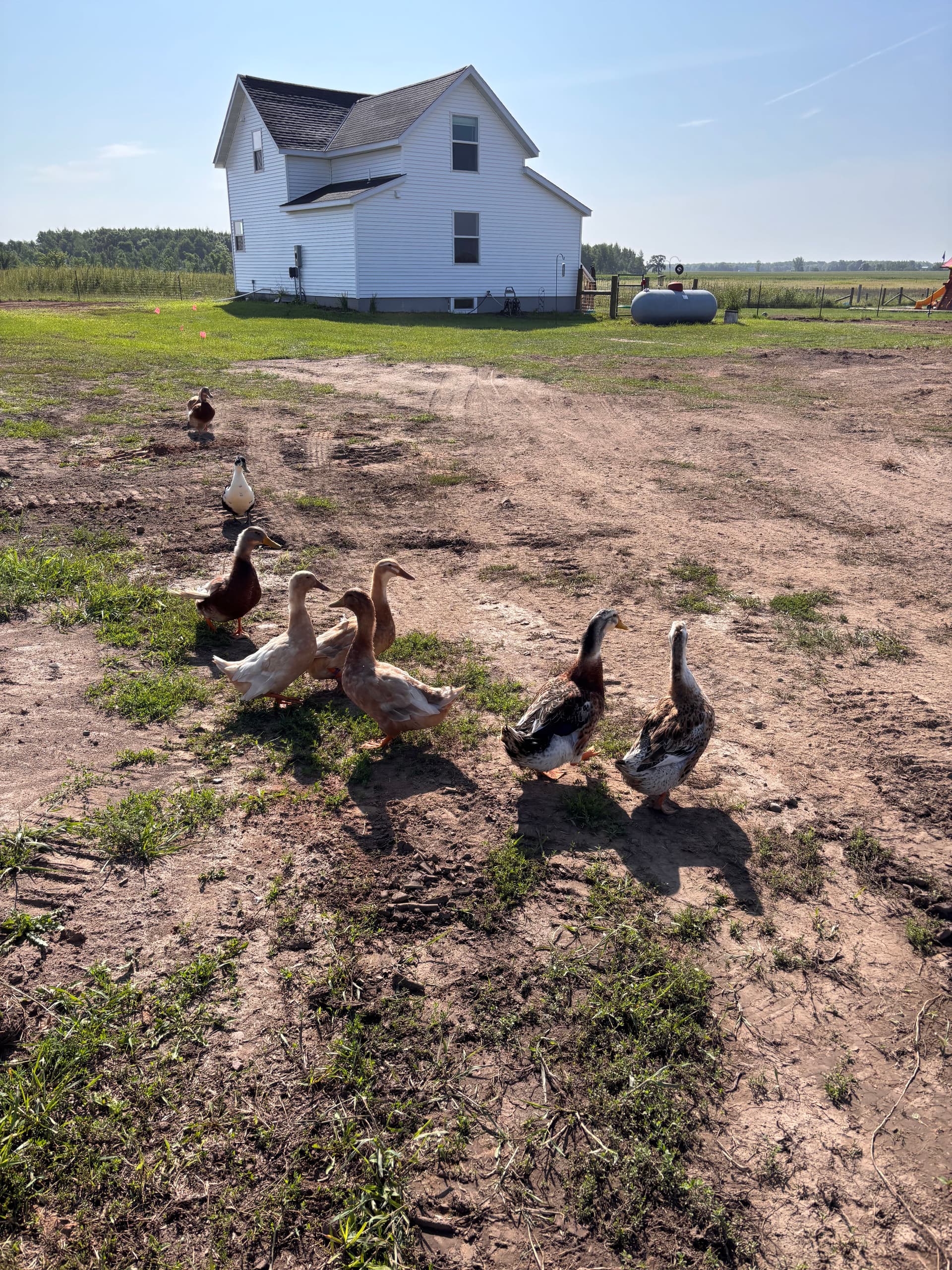
Stony Creek Farm needed a serious water infrastructure upgrade. Hauling water by hand or relying on a single access point might work for a small operation, but when you're managing sheep, ducks, and multiple pasture areas across a working farm, that system breaks down fast. The animals need reliable water, and the people doing chores every day need it close.
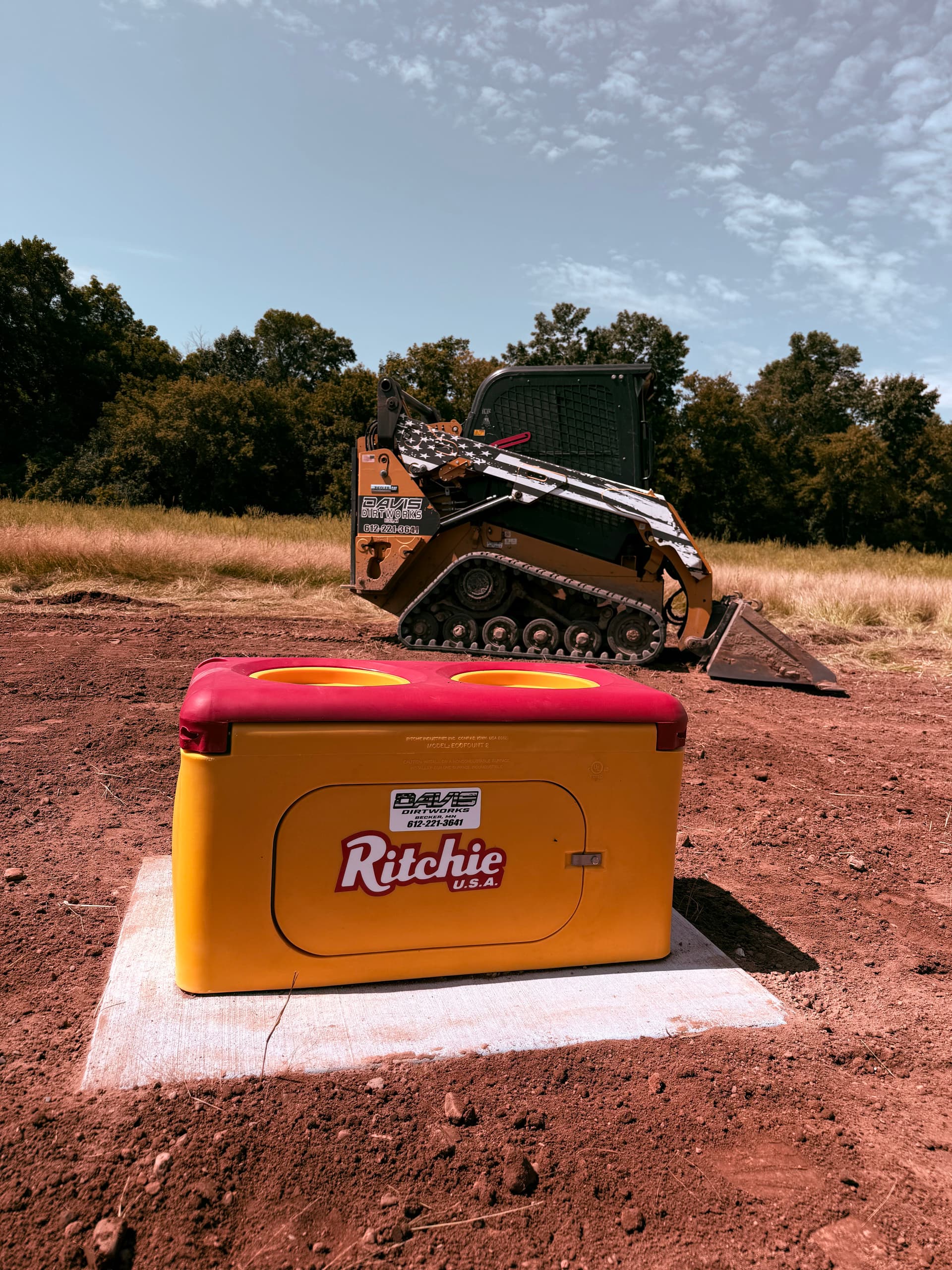
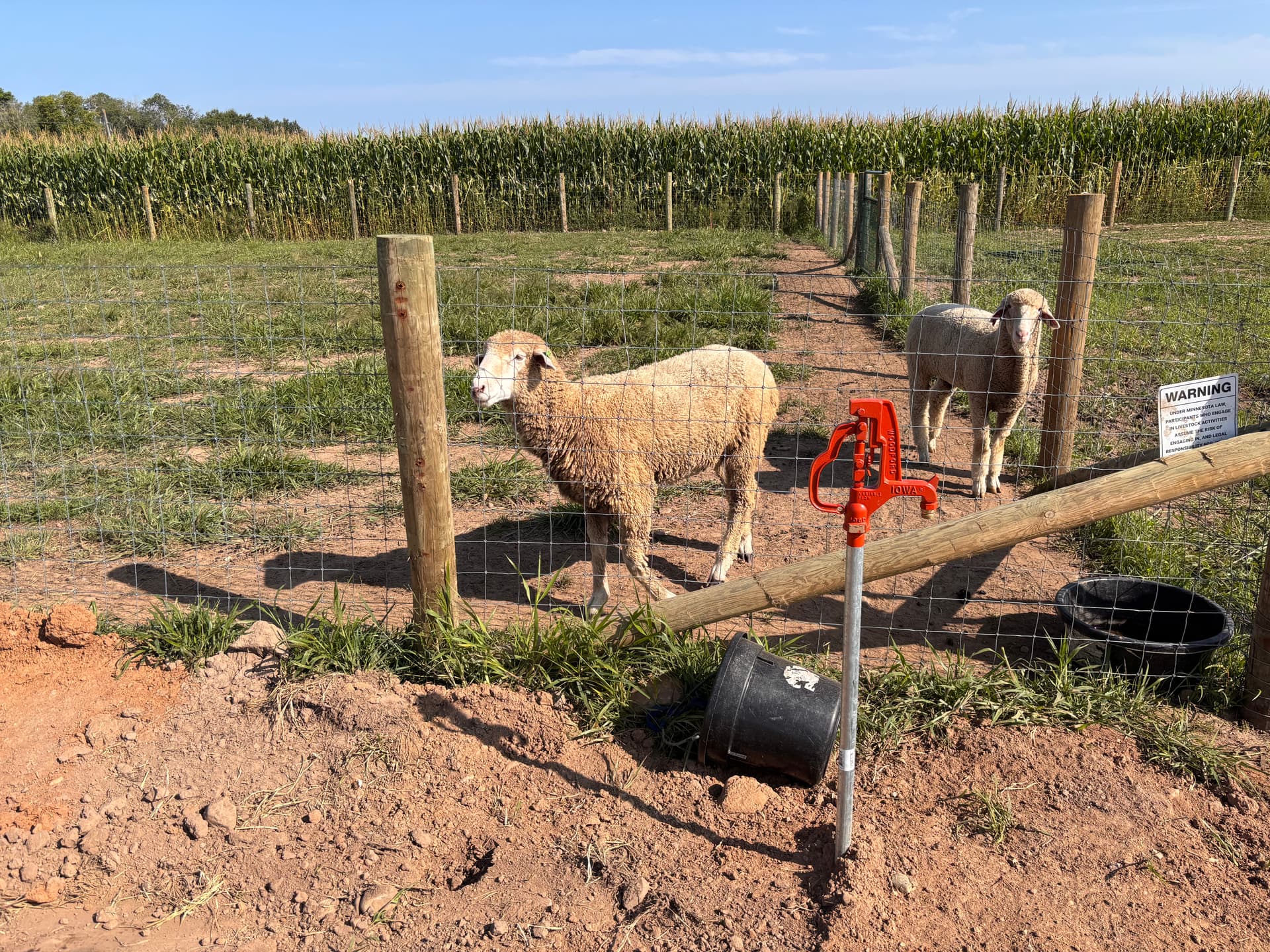
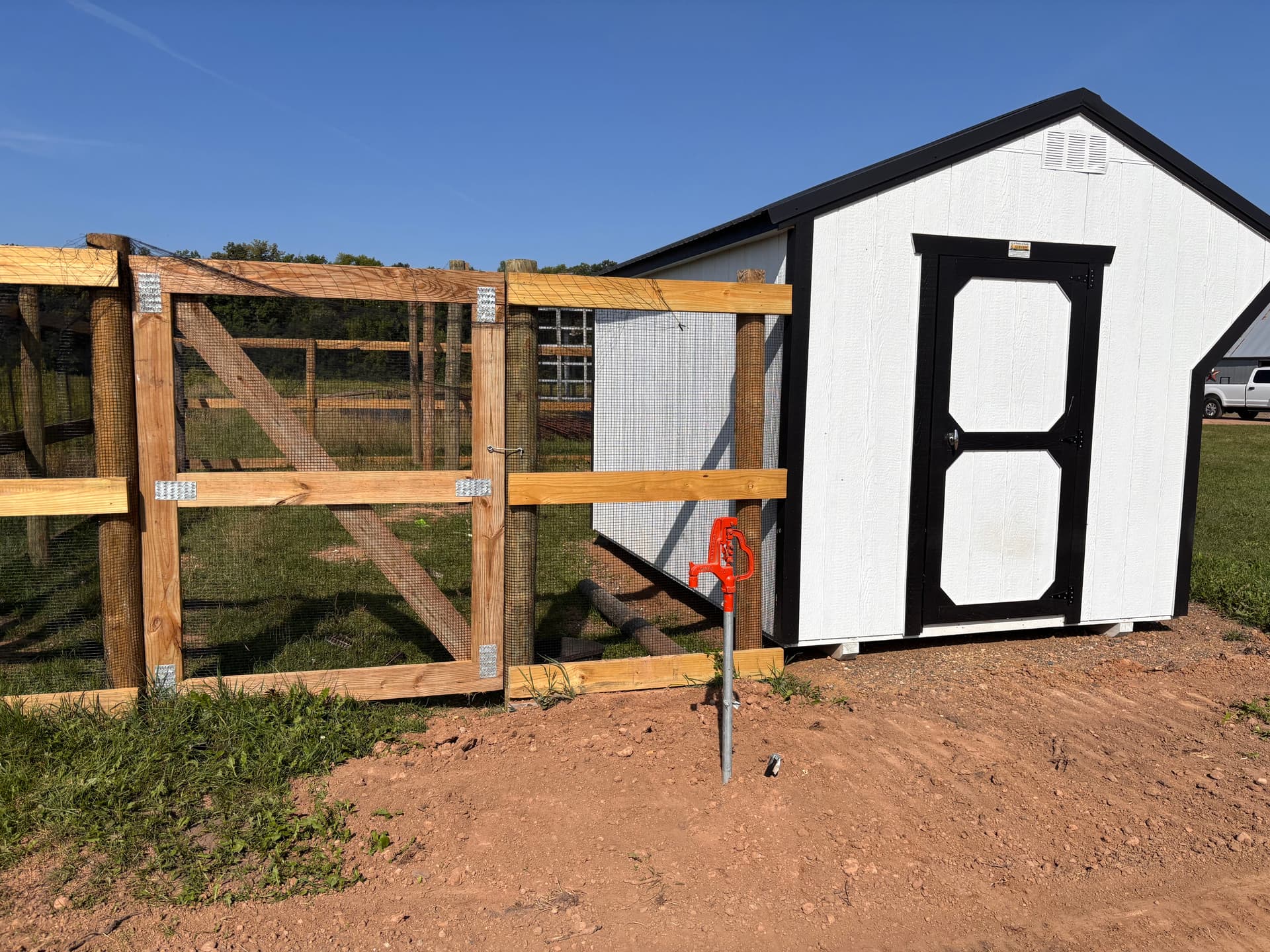
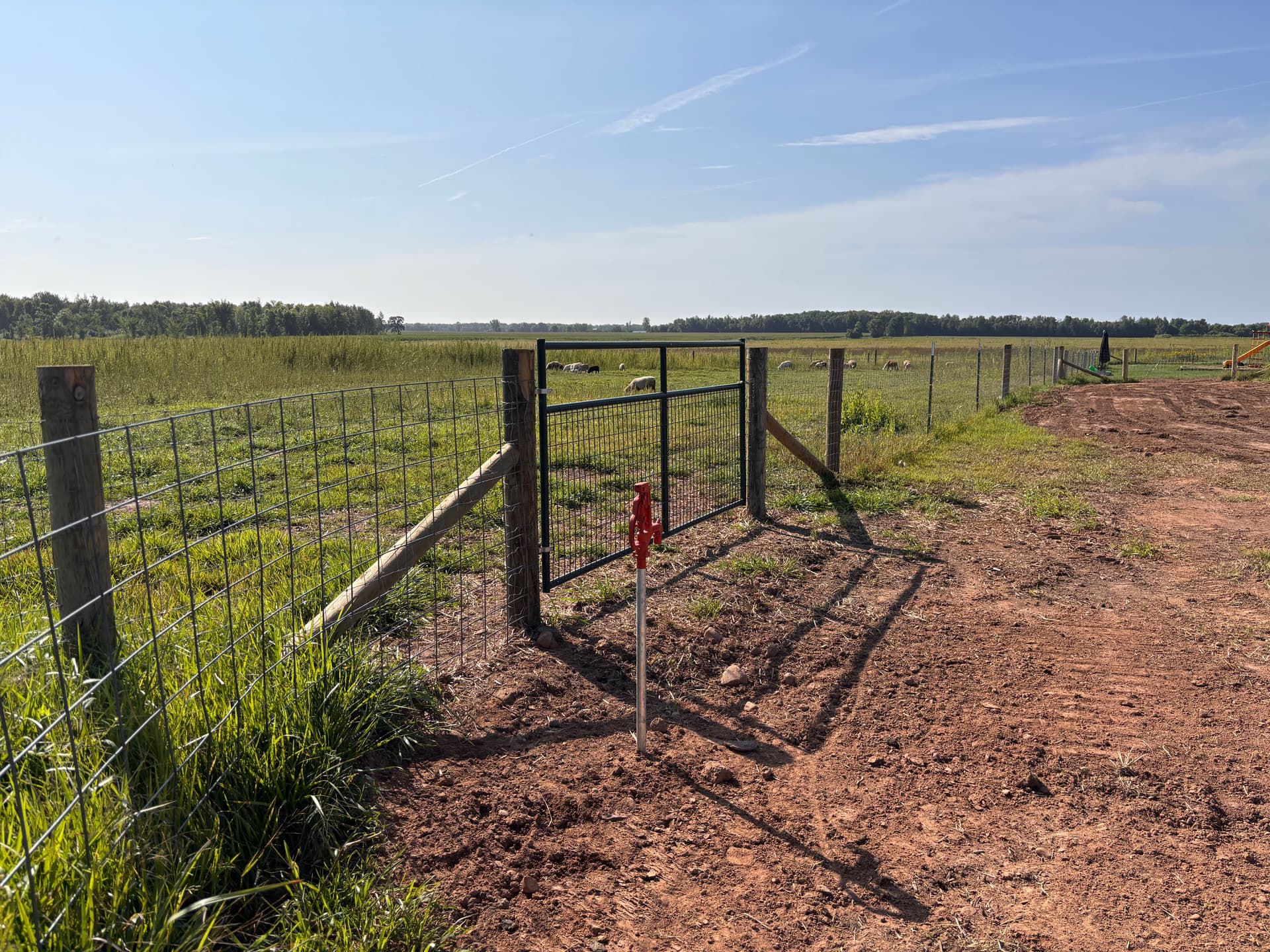
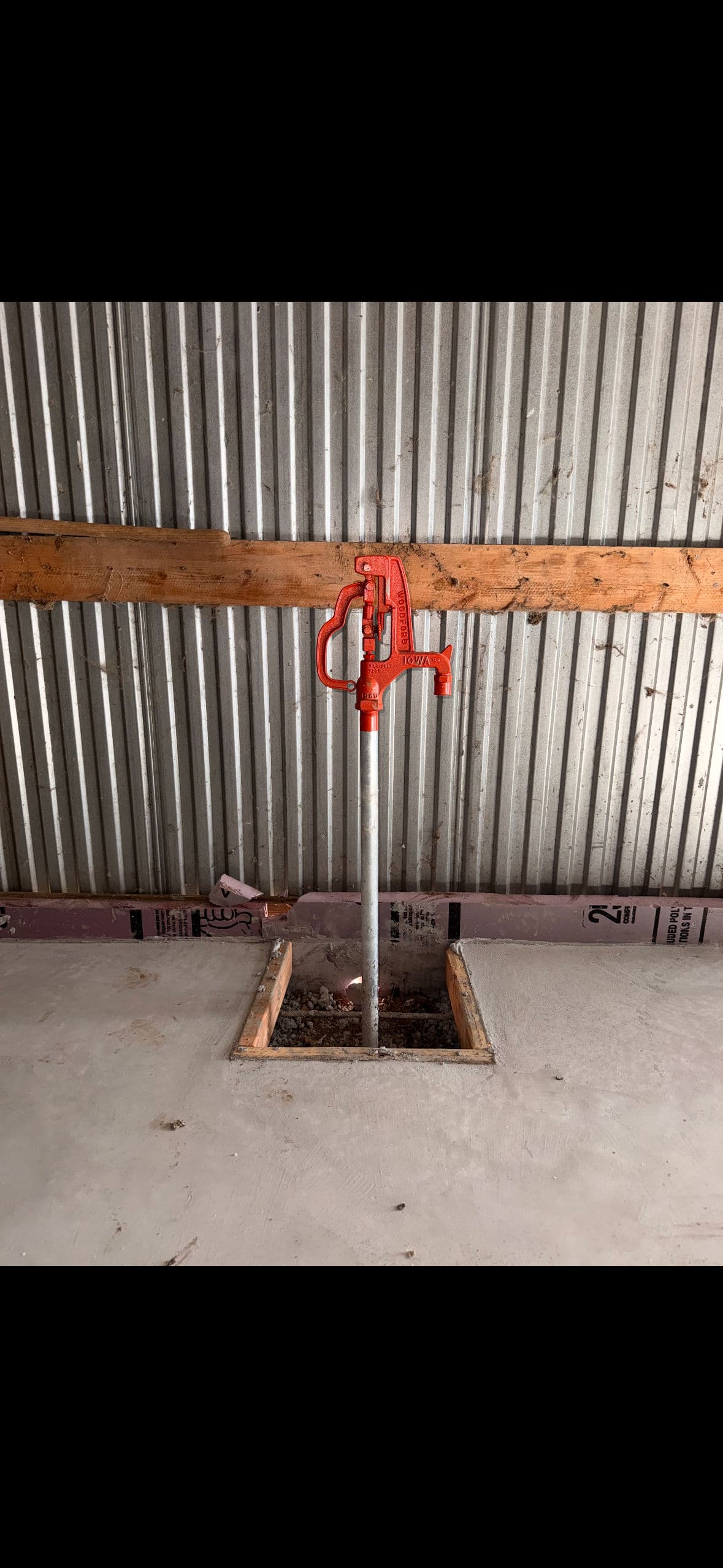
Here's what we put in: 1,100 feet of buried water line, 5 yard hydrants spread across the property, and a new Ritchie waterer set on a concrete pad. That combination means water is accessible from basically every corner of the farm - inside the barn, out by the pasture gates, next to the chicken and poultry runs. No more walking a bucket across a field.
The Iowa-style yard hydrants we installed are built to drain back below the frost line after every use. That's the detail that matters when winter hits. A hydrant that holds water in the standpipe will freeze and crack. These won't. It's a small thing that makes a huge difference come January, and it's the kind of thing that separates a properly done installation from a call-back job in the spring.
The Ritchie waterer is a beast of a unit. It's insulated, thermostatically controlled, and designed to keep water from freezing without running electricity out to the unit. Set it on a solid concrete pad, connect it to the new line, and it just works - season after season. For a farm with sheep in the pasture and animals in multiple enclosures, having that kind of reliable automatic watering is a genuine daily time-saver.
Good water access is one of those things that quietly makes every other part of running a farm easier. When it works, you don't think about it. When it doesn't, it's all you think about. This setup at Stony Creek is built to not be a problem.